
Understanding the psychological triggers that keep gamblers returning to the casino
Meilleur casino en ligne Canada Top sites populaires au Québec 2026
June 8, 2026How to Triumph over Trendy Good casino orient express fresh fruit Position cheat? Means, Tips-and-Strategies
June 8, 2026Understanding the psychological triggers that keep gamblers returning to the casino
Understanding the psychological triggers that keep gamblers returning to the casino
The Allure of Instant Gratification
One of the most powerful psychological triggers for gamblers is the concept of instant gratification. Casinos are designed to provide immediate rewards, whether it’s the thrill of a winning spin on a slot machine or the rush of a successful bet. This quick return on investment can create a powerful dopamine release in the brain, reinforcing the behavior and making it more likely that players will return for more. The immediate feedback loop created by these games keeps players engaged, as they associate the casino experience with fast, pleasurable outcomes. If you’re keen on exploring a modern gaming platform, you can visit https://lizarocasinos-uk.org/ for a broad selection of games.
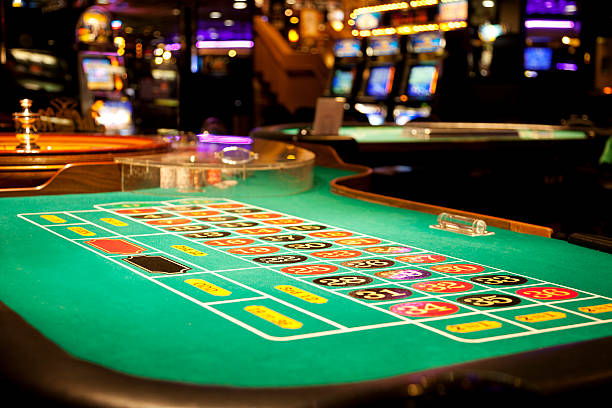
This need for instant gratification can be especially pronounced in today’s fast-paced society. With technology allowing for quick access to a variety of entertainment options, casinos have adapted by creating environments that cater to this desire. Bright lights, enticing sounds, and the immediate availability of cash can all contribute to the immersive experience. Gamblers find themselves caught in a cycle where the thrill of immediate rewards overshadows the potential for long-term loss, effectively drawing them back into the casino’s enticing grip.
The challenge for many gamblers lies in managing this impulse for instant gratification. While the adrenaline rush can be addictive, it often blinds players to the reality of their financial situations. Gamblers may start by winning but, in pursuit of that next high, may end up losing more than they anticipated. The interplay between pleasure and risk creates a compelling environment that keeps players returning, hoping to replicate their initial successes.
The Illusion of Control
Another significant psychological factor is the illusion of control. Many gamblers believe they can influence outcomes through their choices, whether it’s picking specific numbers or using particular strategies in games like poker. This misconception can create a false sense of security, prompting players to return to the casino in the hopes that their decisions will lead to wins. Casinos exploit this psychological trigger by offering games that allow for some player agency, further reinforcing the belief that skill can lead to success.
The illusion of control is particularly prevalent in games perceived as skill-based, such as poker or blackjack. Players often feel a sense of pride in their ability to outsmart opponents or manipulate odds, making them more likely to engage with these games repeatedly. This belief can obscure the reality that, ultimately, the house always has an edge. When gamblers perceive themselves as having control, they are often more willing to take risks, leading to higher levels of return visits.
Ultimately, this illusion can contribute to a cycle of hope and disappointment. Gamblers return in search of mastery and validation, only to find that luck is often a more significant factor than skill. This cycle can be particularly challenging, as players may rationalize their losses by convincing themselves that they simply need to try harder or play differently. The psychological grip of believing they can control outcomes keeps them coming back, often with an escalating level of investment.
The Role of Social Influence
Social dynamics also play a crucial role in the gambling experience. The social environment of a casino can be electrifying, filled with excitement and camaraderie among players. This sense of belonging and shared experience can make gambling even more appealing. Many gamblers enjoy the interaction with fellow players, and the atmosphere of competition can heighten their desire to return. The social aspect creates a community where individuals feel connected, which can be a powerful motivator to keep visiting casinos.
Furthermore, casinos often capitalize on this social aspect by hosting events, tournaments, and themed nights that encourage group participation. These events create opportunities for players to bond over shared experiences and foster friendships. When people invest emotionally in their interactions, they are more likely to return, seeking both the thrill of gambling and the company of friends. This combination can create a sense of loyalty to a specific casino, making it a favored destination.
However, the downside to this social influence can lead to detrimental behaviors. Gamblers may feel pressured to continue playing to maintain their social standing or impress their peers. This can push them to gamble beyond their means, perpetuating a cycle of financial strain and emotional turmoil. As individuals navigate these social influences, it becomes clear that the connections formed in the casino environment significantly affect their gambling behavior.
The Impact of Marketing and Casino Design
Casinos are meticulously designed to enhance the gaming experience and encourage prolonged play. From the layout to the soundscape, every element is carefully crafted to immerse players and stimulate their senses. The absence of clocks, strategically placed exits, and bright, vibrant colors create an environment where time seems to stand still. This intentional design can disorient players, making it easier for them to lose track of time and money, leading to extended visits.
Moreover, marketing strategies employed by casinos further amplify these psychological triggers. Promotions, loyalty programs, and enticing bonuses create a sense of urgency, enticing gamblers to return frequently. These promotions often make players feel as though they are gaining value, encouraging them to chase losses or seek additional rewards. The allure of “free” perks can manipulate decision-making processes, leading to further gambling even when it is financially unwise.
In addition, the ambiance of a casino—characterized by lights, sounds, and even scents—acts as a sensory cue that reinforces the desire to return. This carefully curated environment becomes a hallmark of the casino experience, associating the thrill of gambling with an emotionally charged atmosphere. As players become conditioned to seek out these sensations, they may find themselves returning, driven by both habit and the psychological pull of a well-designed space.

Exploring Lizaro Casino’s Unique Approach
Lizaro Casino, established in 2025, exemplifies an innovative approach to online gaming by incorporating many of these psychological triggers into its platform. With a dynamic array of over 10,000 gaming titles, including slots, live dealer games, and sports betting options, it creates an engaging and immersive experience. The site prioritizes security with SSL/TLS encryption, ensuring that players feel safe while they indulge in their gaming activities. Such security measures can alleviate some psychological barriers that prevent players from fully engaging.
New players are welcomed with an enticing bonus of 250% up to €3,000 and 350 free spins, highlighting the casino’s commitment to making the gaming experience rewarding right from the start. This initial incentive taps into the instant gratification trigger, encouraging players to start their gaming journey with a positive experience. With 24/7 customer support, Lizaro Casino offers assistance whenever needed, further enhancing player satisfaction and loyalty.
In conclusion, the psychological triggers that keep gamblers returning to the casino are multifaceted, involving elements of instant gratification, the illusion of control, social influence, and marketing strategies. Lizaro Casino effectively taps into these aspects to create a compelling online gaming environment that attracts and retains players. By understanding these triggers, players can navigate their gambling experiences more mindfully and make informed decisions in pursuit of entertainment.
